Madison’s Leading Roofing Contractor for Commercial Roofing
Reputable Roofing Vendor for High-Grade Home Protection
Deciding on a reputable roofing contractor is a vital decision for homeowners. A experienced professional affirms adherence with industry standards and alleviates potential risks. The right contractor not only provides personalized solutions but also stresses solid communication and trustworthiness. This foundation establishes a secure and shielded home. However, the process of finding such a contractor demands more than just a quick search. Understanding the essential qualities and points can make all the difference.
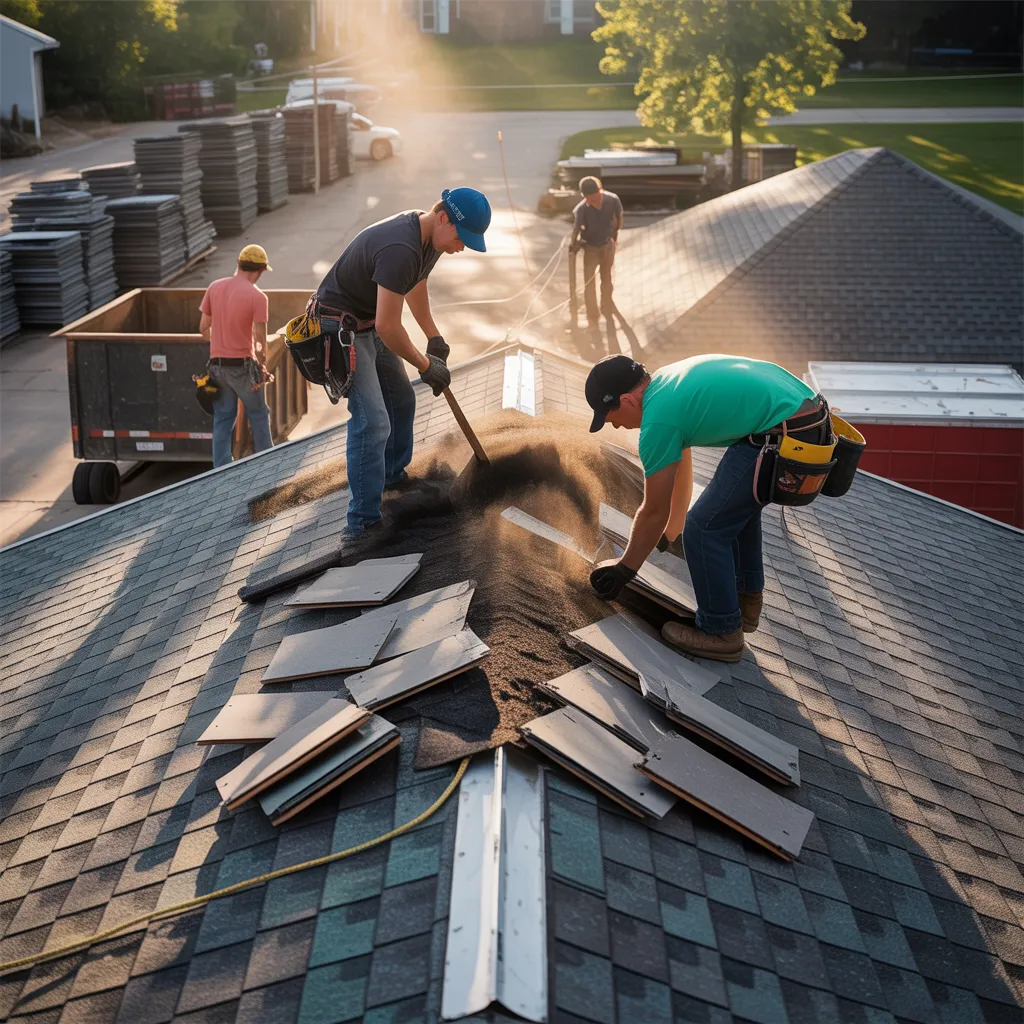
Why Picking the Correct Roofing Contractor Matters
How essential is it to pick the appropriate roofing contractor? The selection of a roofing contractor crucially impacts the longevity and effectiveness of the roofing system. An inadequately installed roof can cause leaks, structural damage, and increased energy costs, ultimately compromising the home's safety. A credible contractor ensures compliance with local building codes and employs premium materials, fostering a strong and dependable roof. Additionally, seasoned contractors offer expert guidance into the ideal roofing solutions customized for specific needs, enhancing overall home protection. A poorly chosen contractor, on the other hand, may result in subpar workmanship and unforeseen expenses. This decision bears lasting implications; thus, careful research and analysis are essential. Engaging a dependable contractor not only secures the roof but also fosters peace of mind for homeowners, knowing their investment is safeguarded. Ultimately, selecting the right roofing contractor is foundational to maintaining the integrity of the home.
Vital Aspects to Examine in Your Roofing Service Provider
Choosing a roofing specialist requires thorough evaluation of several qualities that ensure a successful project. First, a trusted contractor should possess valid licensing and coverage, ensuring adherence with local regulations and protection against possible risks. Expertise in the roofing sector is essential, as it reflects a contractor's capacity to manage various challenges effectively.
Furthermore, strong communication skills are necessary; a reliable contractor gives clients ongoing information throughout the project, managing concerns without delay. Accountability is another core quality, establishing that the contractor can respect timelines and commitments.
Furthermore, a solid portfolio presenting past work can offer understanding into the contractor's craftsmanship and technique. Finally, positive customer feedback and recommendations function as a reflection of their standing and service quality. By examining these critical qualities, homeowners can make a informed decision when selecting a roofing contractor to protect their homes successfully.
Essential Roofing Materials: Kinds and Perks
Roofing materials are crucial in the strength and aesthetics of a home. Various kinds are available, each with distinct benefits. Asphalt shingles are popular due to their cost-effectiveness and simple installation, making them suitable for many homeowners. Metal roofing, known for its longevity and resistance to extreme weather, can be a more eco-friendly choice, often bouncing back heat to reduce energy costs.
Clay and concrete tiles provide outstanding strength and a classic appearance, while slate roofing is widely praised for its sophistication and longevity, although it comes at a higher price point.
Wood shakes deliver a natural appearance, but they require more care. Finally, synthetic materials, like rubber or polymer shingles, combine the perks of conventional materials while being easy to handle and eco-friendly. Picking the right roofing material is crucial for ensuring both durability and visual appeal, in the end boosting the home's value.
Reviewing Roofing Bids: Components to Inspect
When weighing a new roof, collecting quotes from contractors is a key stage in the decision-making process. Homeowners should direct their attention to multiple essential considerations to assure they obtain a comprehensive and equitable proposal. First, it is critical to review the scope of work detailed within each estimate, including materials, labor, and any ancillary services. Detailed enumerations facilitates understanding what is part of the proposal.
Next, property owners should seek out warranties on both materials and workmanship. A reliable contractor often take action provides a warranty that safeguards against flaws. Additionally, the timeline for project completion should be clearly defined, as postponements can affect budget and planning.
Ultimately, it's advisable to assess the contractor's credibility through reviews and references, confirming they have a background of quality work. By carefully examining these components, homeowners can make informed decisions that best suit their needs and budget.
Why Licensing and Insurance Are Critical?
A robust foundation for any roof installation relies on the contractor's insurance and licensing. Licensing ensures that the contractor has satisfied specific industry standards and regulations, demonstrating a commitment to quality and professionalism. It functions as a safeguard for property owners, suggesting that the contractor is qualified to perform the work required.
Insurance, on the other hand, protects both the contractor and the homeowner from potential liabilities. In the event of accidents or damages occur during the roofing process, insurance supplies coverage, assuring that financial burdens do not fall on the homeowner. Without sufficient insurance, a homeowner might face significant out-of-pocket expenses if something goes wrong.
Together, accreditation and insurance both increase the contractor's professional standing but also deliver comfort to homeowners. Employing a qualified, licensed, and insured roofing contractor ultimately plays a role in the long-term protection and value of the home.
Top Inquiries for Your Roofing Contractor?
How can homeowners guarantee they choose the right roof contractor? One practical method is to create a set of essential questions to ask prospective contractors. Property owners should inquire about the contractor's background and past projects to evaluate their skills. It's also vital to ask for references and reviews from previous clients, which can offer useful information into the contractor's dependability.
Another essential topic pertains to the materials and techniques the professional intends to employ, ensuring they adhere to industry standards. Homeowners should additionally confirm that the professional is properly covered and licensed, providing protection from conceivable liabilities. Moreover, addressing the work schedule and payment arrangements can help establish understood requirements. At last, property owners should inquire into coverage guarantees on both materials and workmanship, delivering assurance about durability and quality. Through such targeted inquiries, homeowners can reach educated conclusions, ensuring their roof project is completed effectively and efficiently.
The Manner in Which a Quality Roof Elevates Your Home's Value
Investing in a superior roof not only safeguards a home but also substantially boosts its market value. A expertly built roof works as a protective guard against the climate, reducing the probability of water harm and construction problems. Homebuyers often prioritize the condition of the roof, as it directly impacts their foreseeable repair bills.
Furthermore, an aesthetically pleasing roof can enhance the aesthetic quality of a property, rendering it more desirable to prospective buyers. Distinct roofing materials and designs can also shape market value; durable materials such as slate or metal tend to yield higher returns on investment.
Furthermore, a updated roof can enhance energy efficiency, causing reduced utility bills, which is an appealing feature for sustainability-focused buyers. All things considered, a quality roof not only affords peace of mind but also works as a vital asset in optimizing a home's value in a competitive real estate market.
Questions Asked Often
What Timeframe is Required for a Typical Roofing Project to Complete?
A regular roofing work commonly takes several days through a week to complete. Circumstances such as roof dimensions, weather conditions, and material selection can affect the total span of the project considerably.
What Kinds of Coverage Exist for Roof Work?
Different kinds of guarantees for roofing services exist, including manufacturer warranties protecting materials and labor guarantees from contractors. These warranties generally range from a few years to several decades, based on the materials used and the contractor's policies.
How Can I Maintain My Roof After Being Installed?
To preserve a roof after installation, routine checks should be conducted, debris cleared, gutters cleaned, and any damage promptly repaired. Additionally, professionals recommend periodic maintenance checks to guarantee longevity and peak performance.
What Should I Take Action if My Roof Has Water Damage?
If a roof leaks, the property owner should first identify the source of the leak, manage any moisture harm, and call a expert for repairs. Prompt intervention prevents additional deterioration and ensures the structural soundness of the roof.
Is placing a new Roof Over an old One possible?
Yes, installing a new roof over an existing one is practical, provided that the current roof is in solid condition and local building codes approve it. This process can minimize time spent and cut expenses markedly.